Phaser 3
Purpose-built game framework, not a hacked-together Canvas experiment. WebGL rendering, built-in physics, sprite management, audio system, and input handling. Phaser gave me arcade-quality gameplay without reinventing collision detection.
Object Pooling
Bullets and explosions are recycled, not created and destroyed. A vertical shooter spawns hundreds of projectiles per minute. Without pooling, garbage collection stalls kill frame rate on mobile. With pooling: consistent 60 FPS on mid-range devices.
Touch Controls
Two-zone system: left side moves, right side fires. Multi-touch support with gesture suppression prevents accidental zooms, scrolls, and pull-to-refresh during gameplay. Safe area insets for notches and rounded corners. If it doesn't work on a phone in someone's hand, it doesn't work.
Boss Design
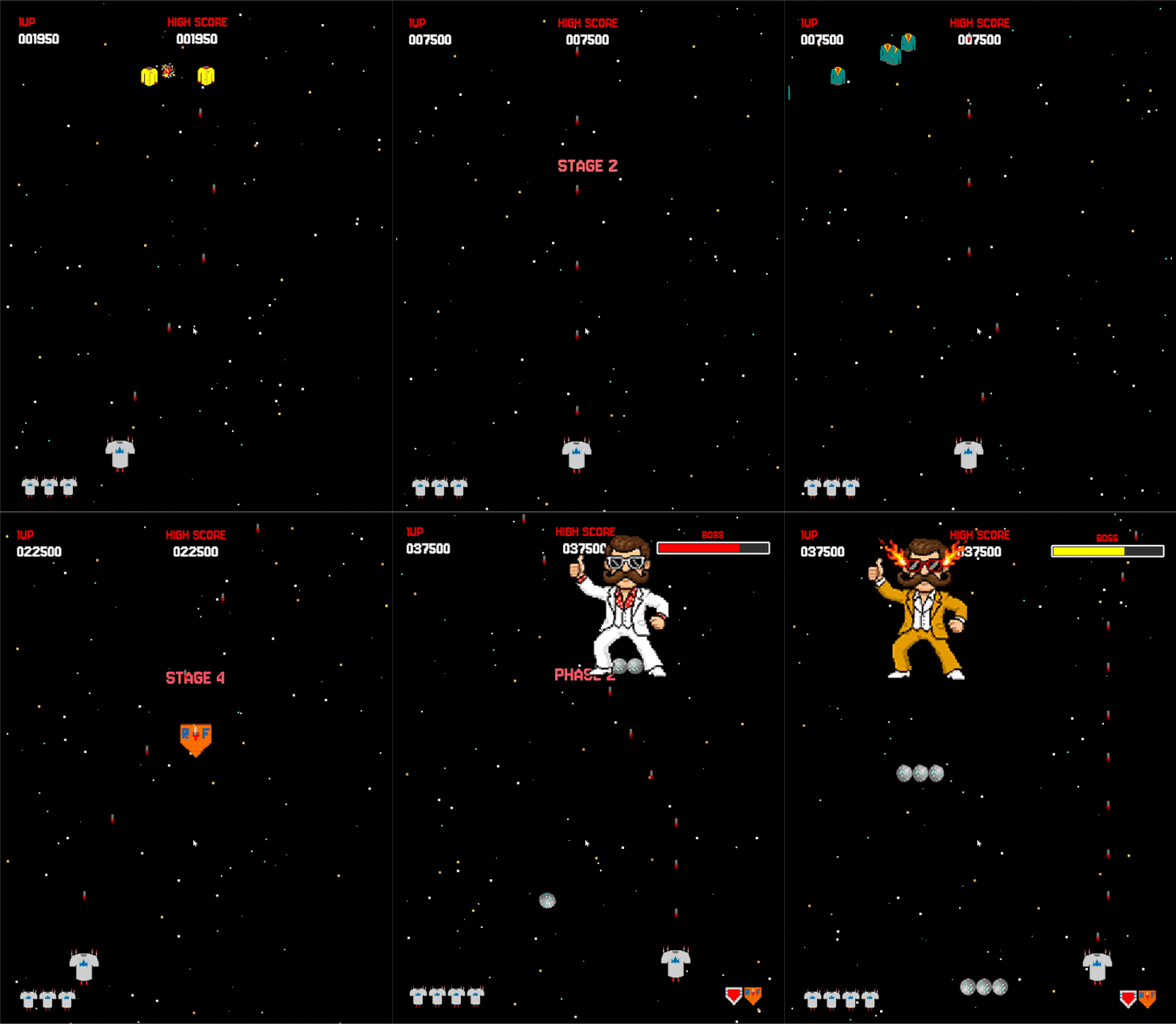
35 HP across four phases with escalating mechanics. Phase 1: single shot. Phase 2: 3-bullet spread, faster movement. Phase 3: spawns minions, becomes invulnerable behind a blue shield. Phase 4: doubled difficulty, fastest speed. Each phase has a 1.5-second animated transformation. The boss is the payoff, so it has to feel earned.
Bundle Size
1.59 MB total, 375 KB gzipped, well under the 5 MB target. Pixel-perfect rendering (no smoothing), optimized sprite sheets, compressed audio. A player on mobile data should load the game in under 2 seconds.