A real game framework.
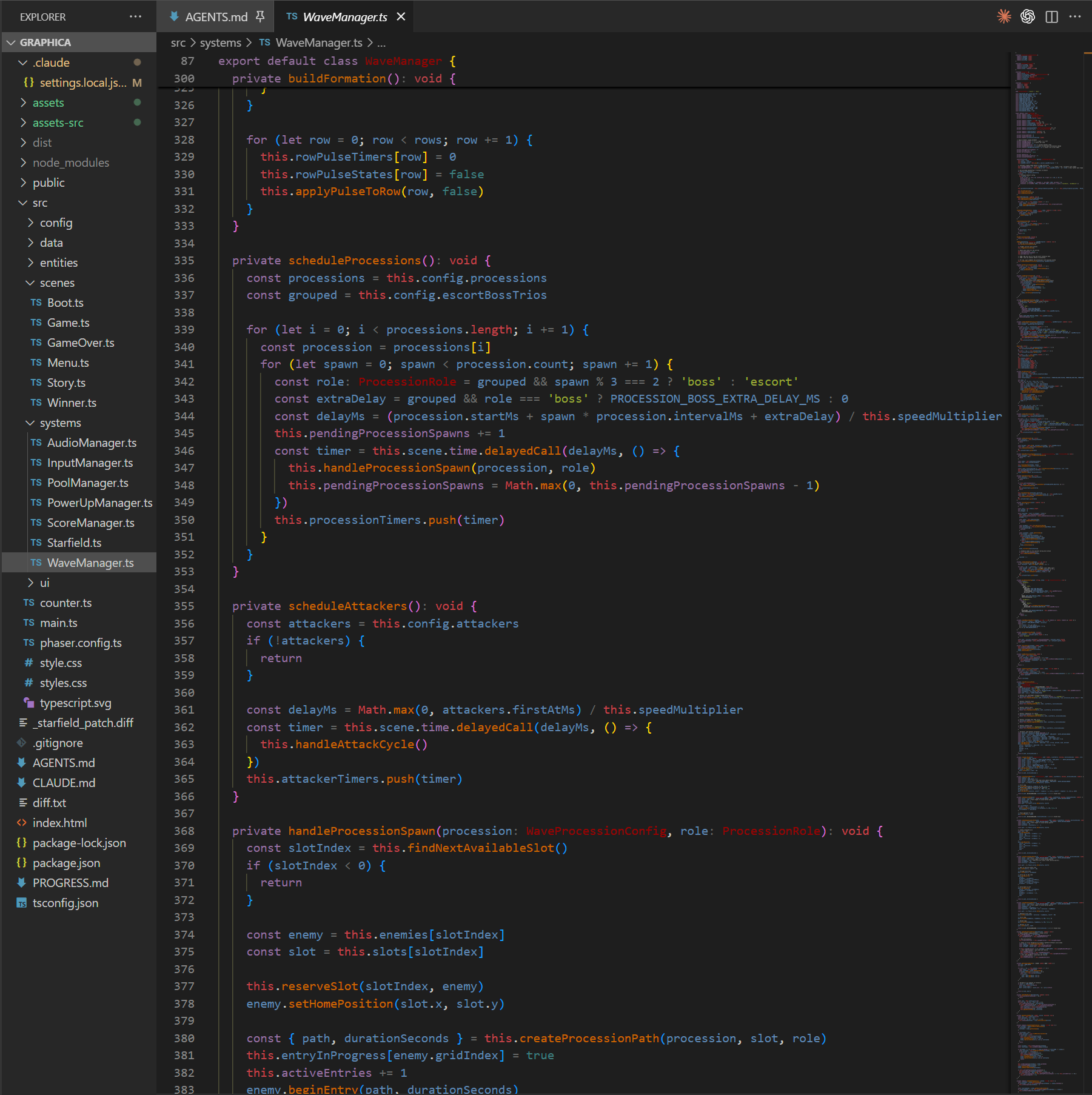
WebGL rendering, physics, sprites, audio, and input without reinventing collision detection.
A Galaga-style browser game built as a marketing tool for a graphic t-shirt brand. Not a banner ad. Not a discount popup. Six stages, a four-phase boss, and a promo code at the end.
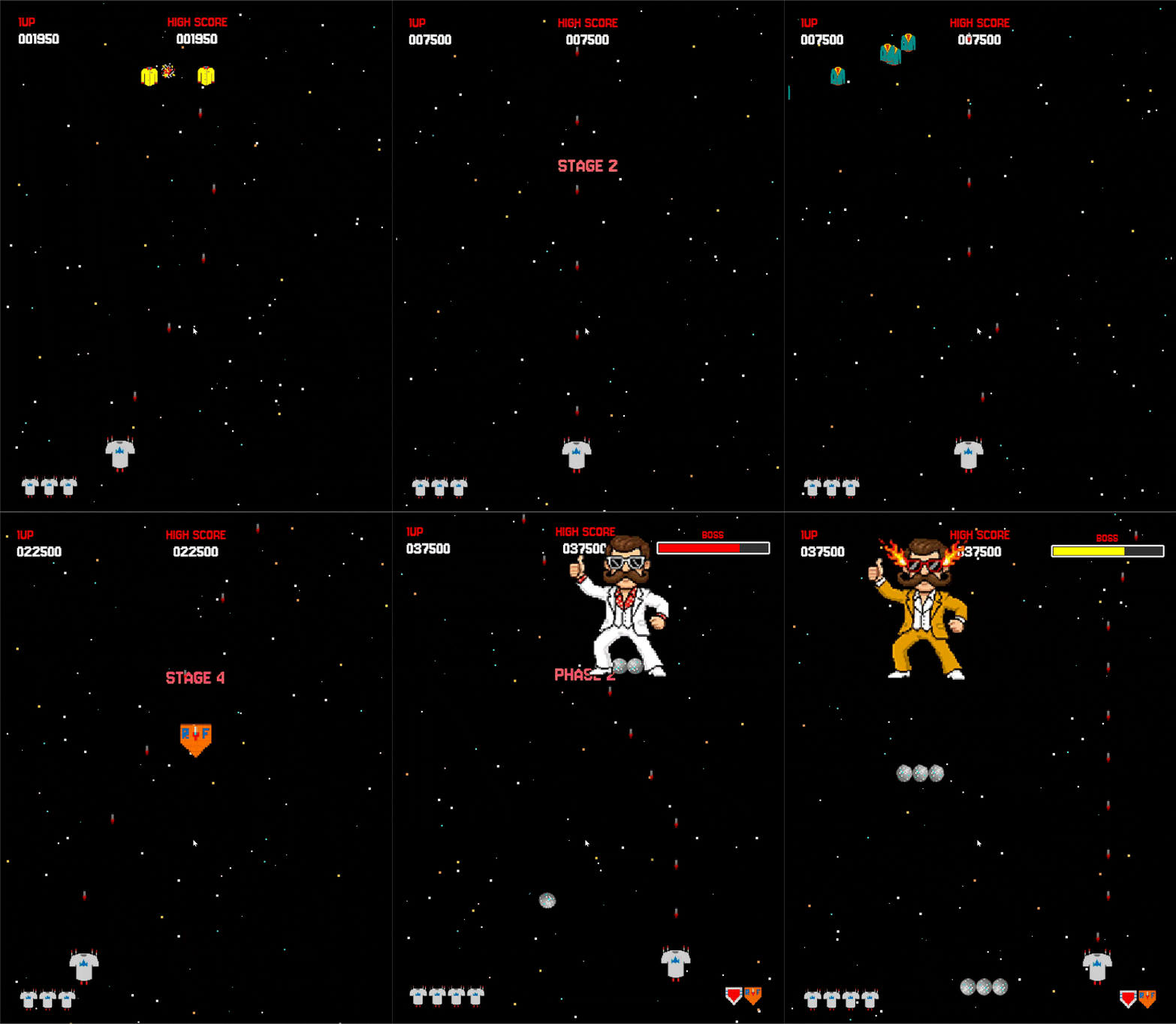

Built for Savvy Ersatz, a small graphic t-shirt brand competing for attention without a six-figure ad budget.
The standard playbook of Meta ads, discount codes, and influencer posts requires either money or an existing audience. Savvy Ersatz had neither.
The question was not “how do we advertise?” It was “how do we create something worth sharing that also drives sales?” Browser game campaigns typically convert at 5 to 20 percent against 1 to 3 percent for standard e-commerce. The engagement is the marketing.
The loop
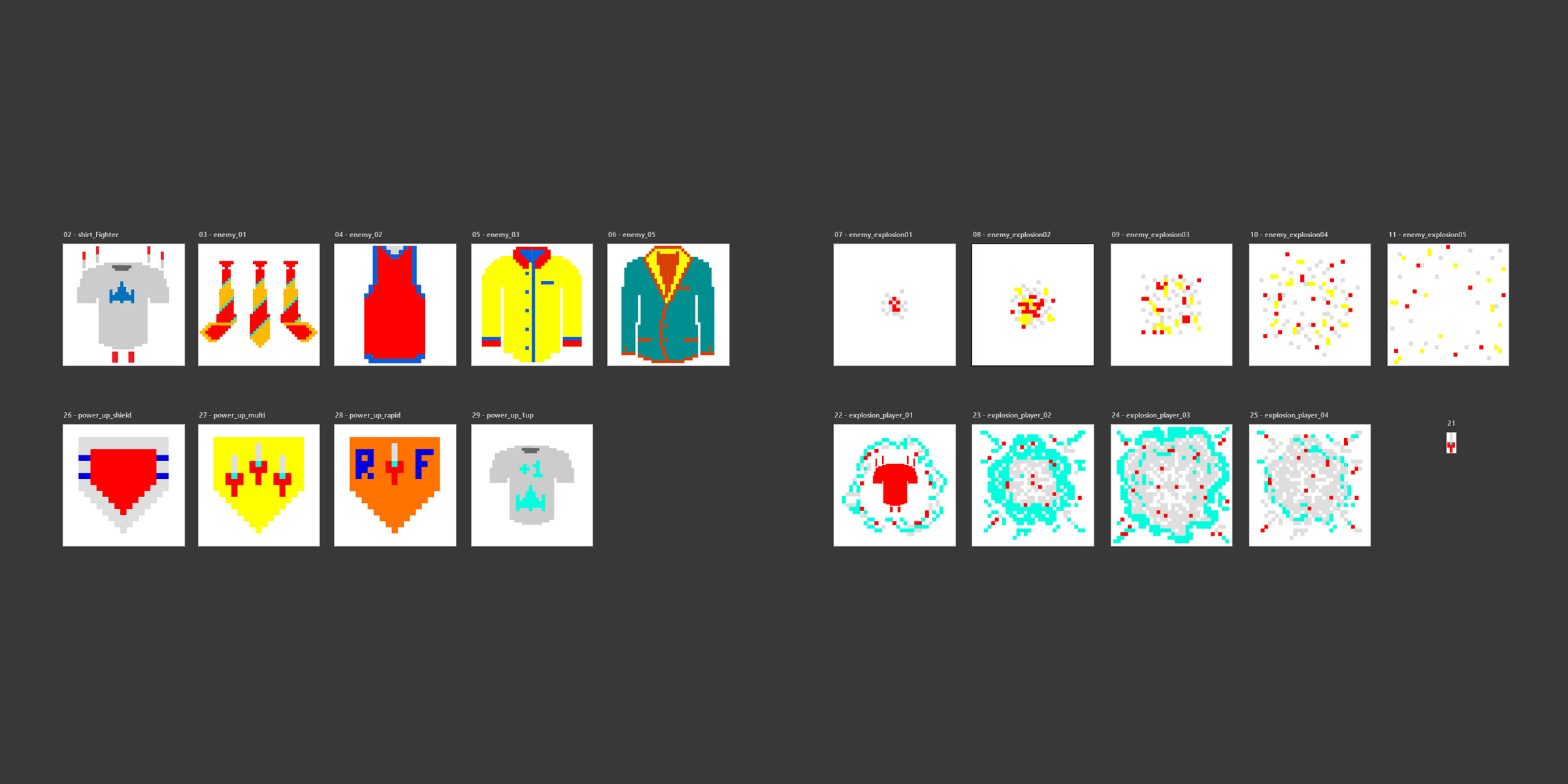
A six-stage vertical shooter in Phaser 3 and TypeScript. Beat the boss, get a promo code, one-click copy, straight to checkout.
The game was half the deliverable. The other half was the economics: a $25 retail price against $10 to $12 cost, a 15 percent optimal discount, a $2,000 to $3,000 channel plan, and a phased launch.
WebGL rendering, physics, sprites, audio, and input without reinventing collision detection.
Hundreds of projectiles a minute. Pooling keeps garbage collection quiet and the frame rate at 60 on mid-range phones.
Multi-touch with gesture suppression for zooms, scrolls, and pull-to-refresh. Safe-area insets for notches.
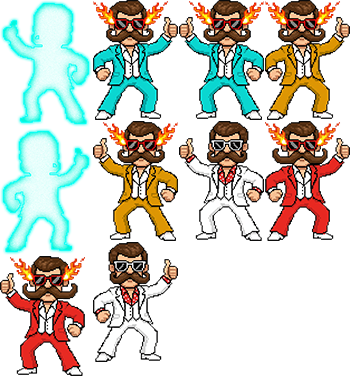
Single shot, then spread, then a shield with minions, then doubled difficulty. Each with a 1.5-second transformation.
Pixel-perfect rendering, tight sprite sheets, compressed audio. Loads in under two seconds on mobile data.
The go-to-market model projected 6,000 to 10,000 plays driving 60 to 120 shirt sales on a $2,000 to $3,000 budget across paid social, influencer seeding, and organic.
It also named the five gaps that usually sink game-to-commerce campaigns: post-purchase engagement loops, dual-metric tracking, the conversion bridge from game to cart, sustainable unit economics, and promo-code fraud.
Most marketing strategists cannot build the product. Most game developers do not think about conversion funnels. Graphica is a polished game and a data-backed marketing plan, conceived, built, and shipped by one person.
Live on Vercel
Another one-person build